QuickBite – Bringing Local Flavor to the Doorstep
A localised food delivery experience designed for Nashville’s community.
Role
Product Designer
Industry
Food Service
Year
2020
DESIGN PROCESS: RESEARCH
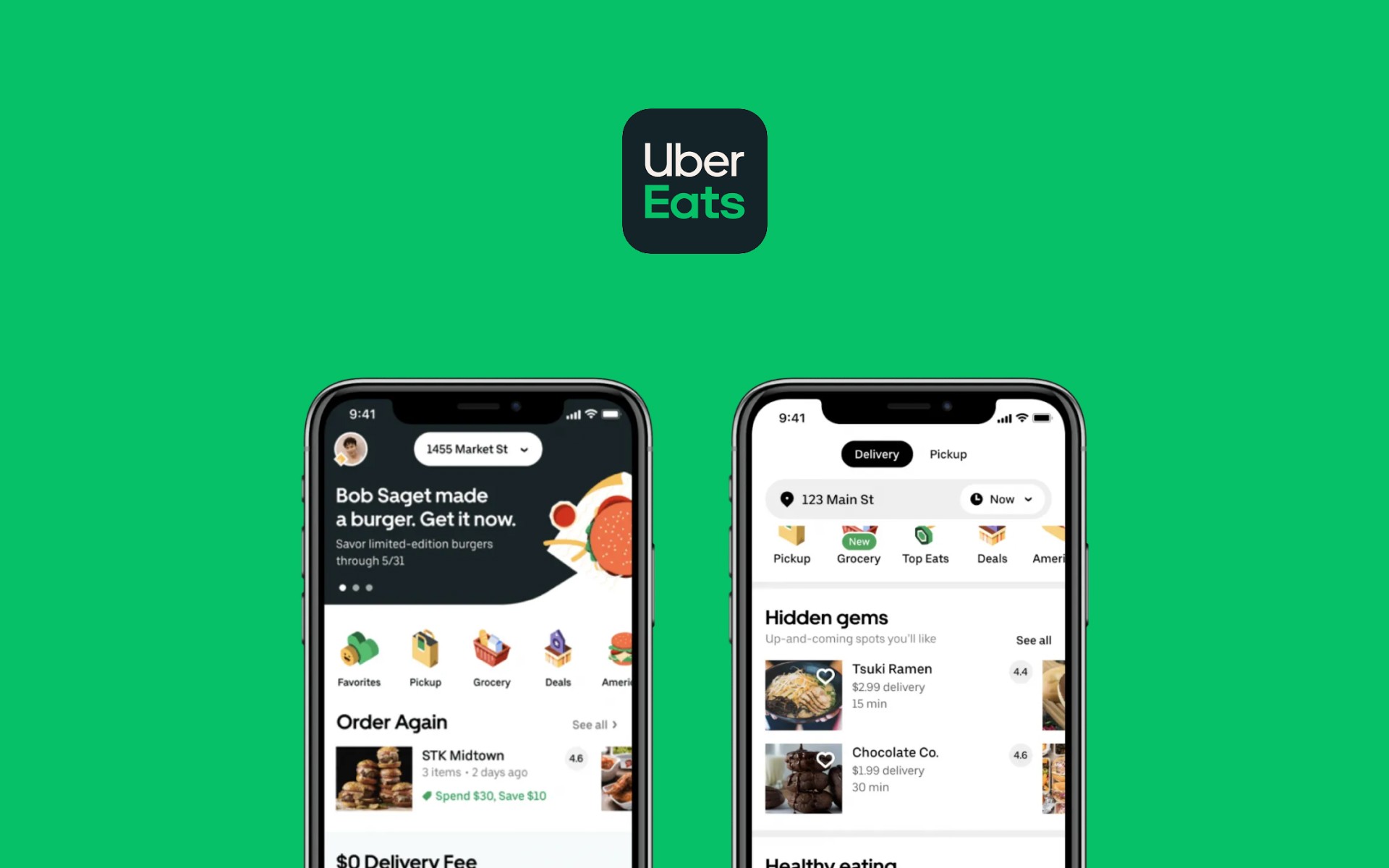
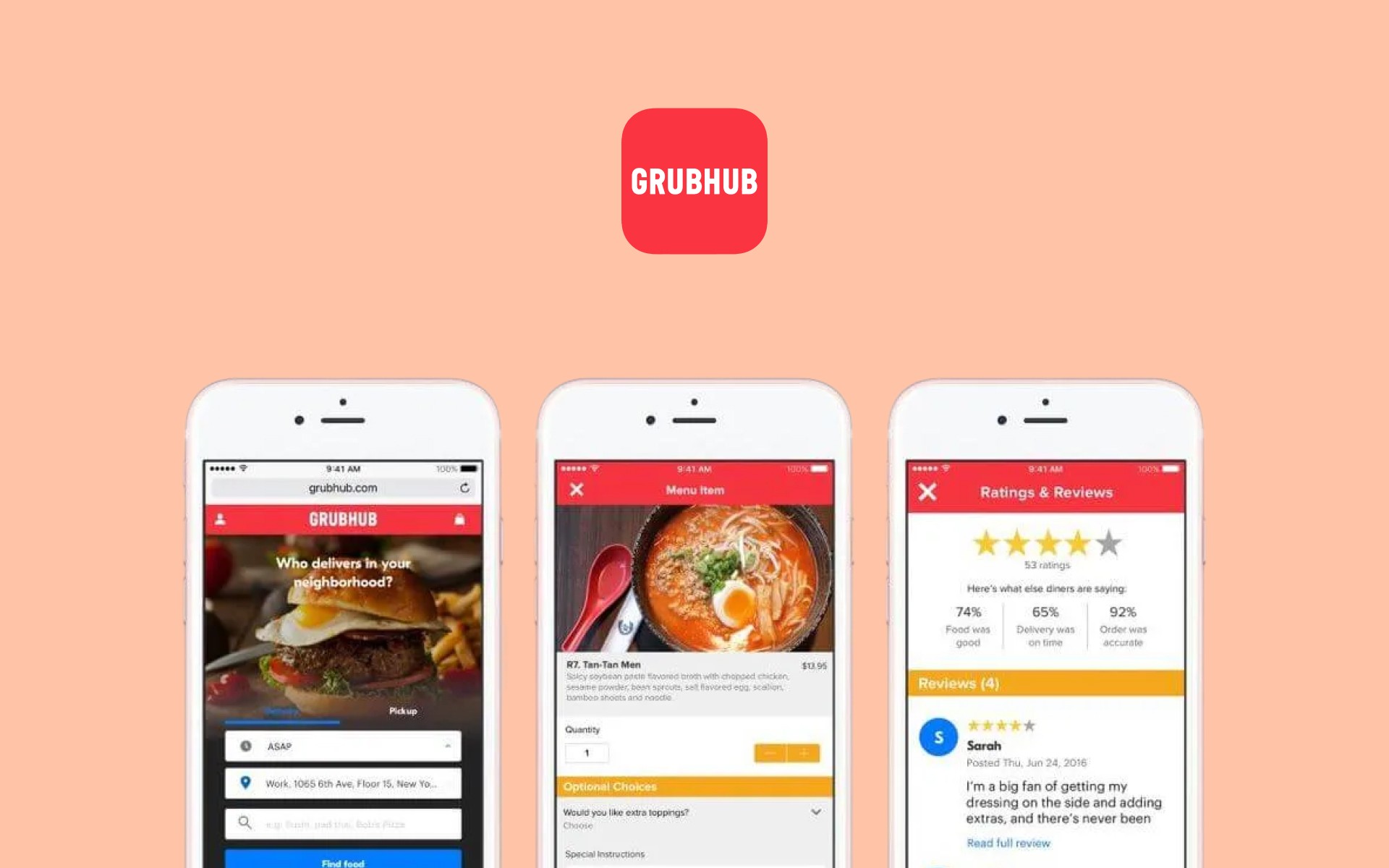
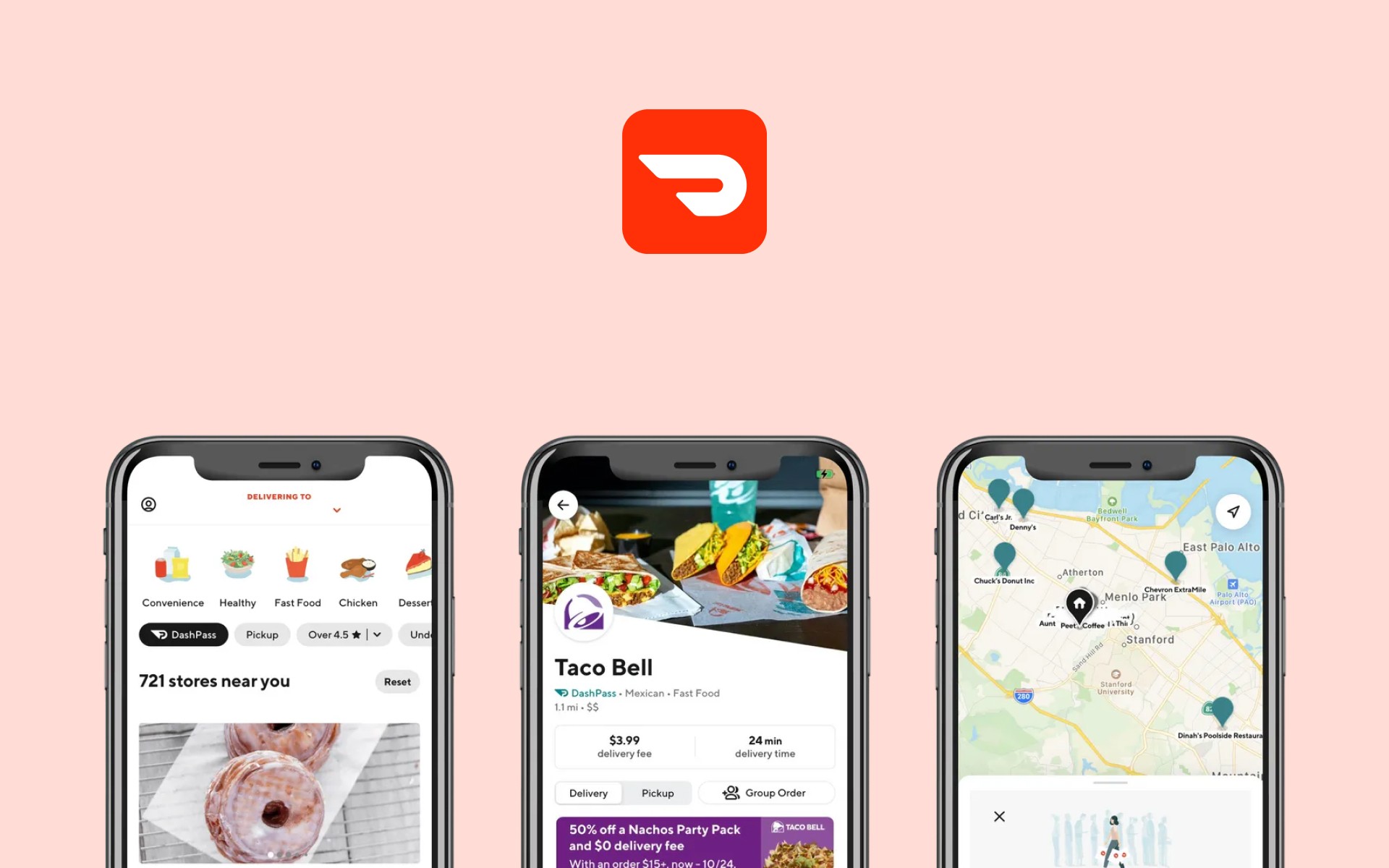
To understand the competitive landscape, I began with an in-depth study of the U.S. food delivery market. The goal was to identify what users already appreciated — and where their frustrations often surfaced. I analysed four major players: DoorDash, UberEats, GrubHub, and Postmates.
What I Discovered
Users consistently valued the convenience and variety these platforms offered, yet many were frustrated by high delivery fees, inconsistent service, and a lack of local personality. The experiences were efficient but impersonal — none truly reflected the warmth or culture of Nashville or the Midwestern community.
DoorDash was known for reliability but struggled with surge pricing.
UberEats benefited from its ecosystem but often had slower delivery times.
GrubHub remained popular in smaller towns, though its interface felt dated.
Postmates was praised for flexibility but lacked transparency in delivery tracking.
The key insight was clear: users wanted the efficiency of large platforms combined with the familiarity and authenticity of local brands — a gap QuickBite could fill perfectly.
DESIGN PROCESS: INSIGHT
From research and early conversations with users, several important insights emerged that guided the product direction:
Decision Fatigue Is Real.
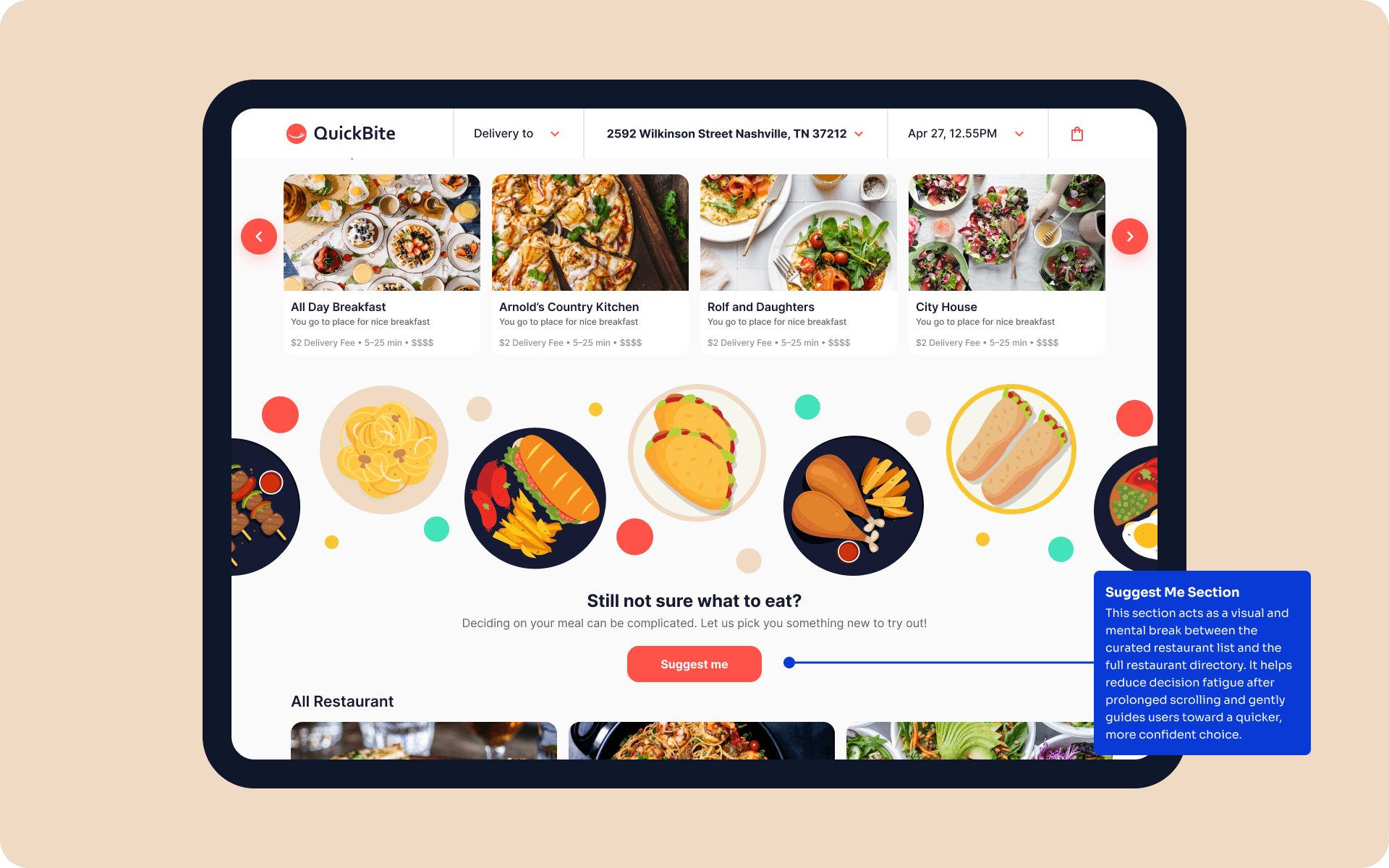
Many people didn’t know what they wanted to eat. This inspired “Suggest Me” — a feature recommending local favourites or trending dishes nearby.
Local Voice Builds Connection.
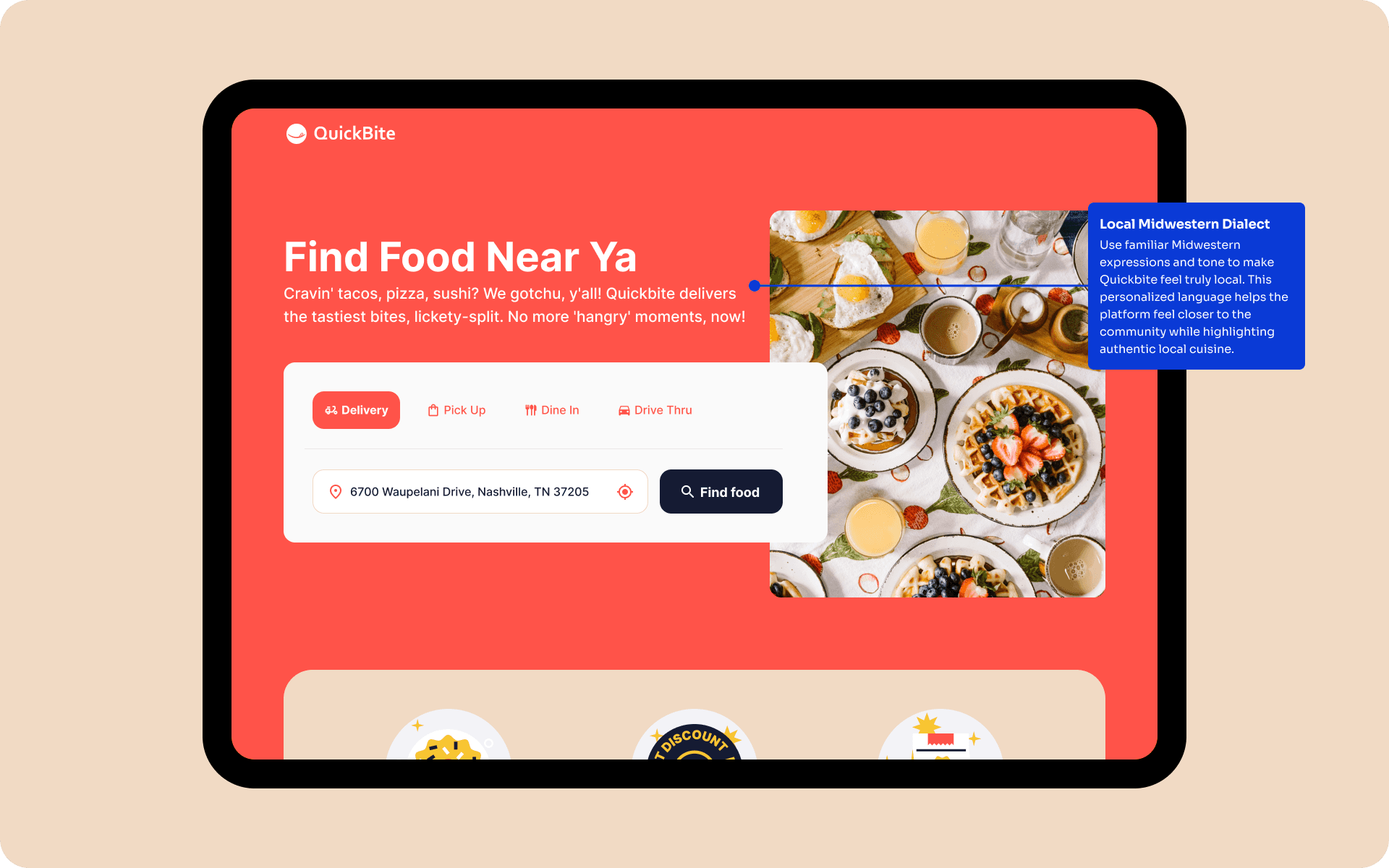
Using Midwestern dialect and tone helped the product feel friendly and grounded, something national competitors often lacked.
Flexibility Matters.
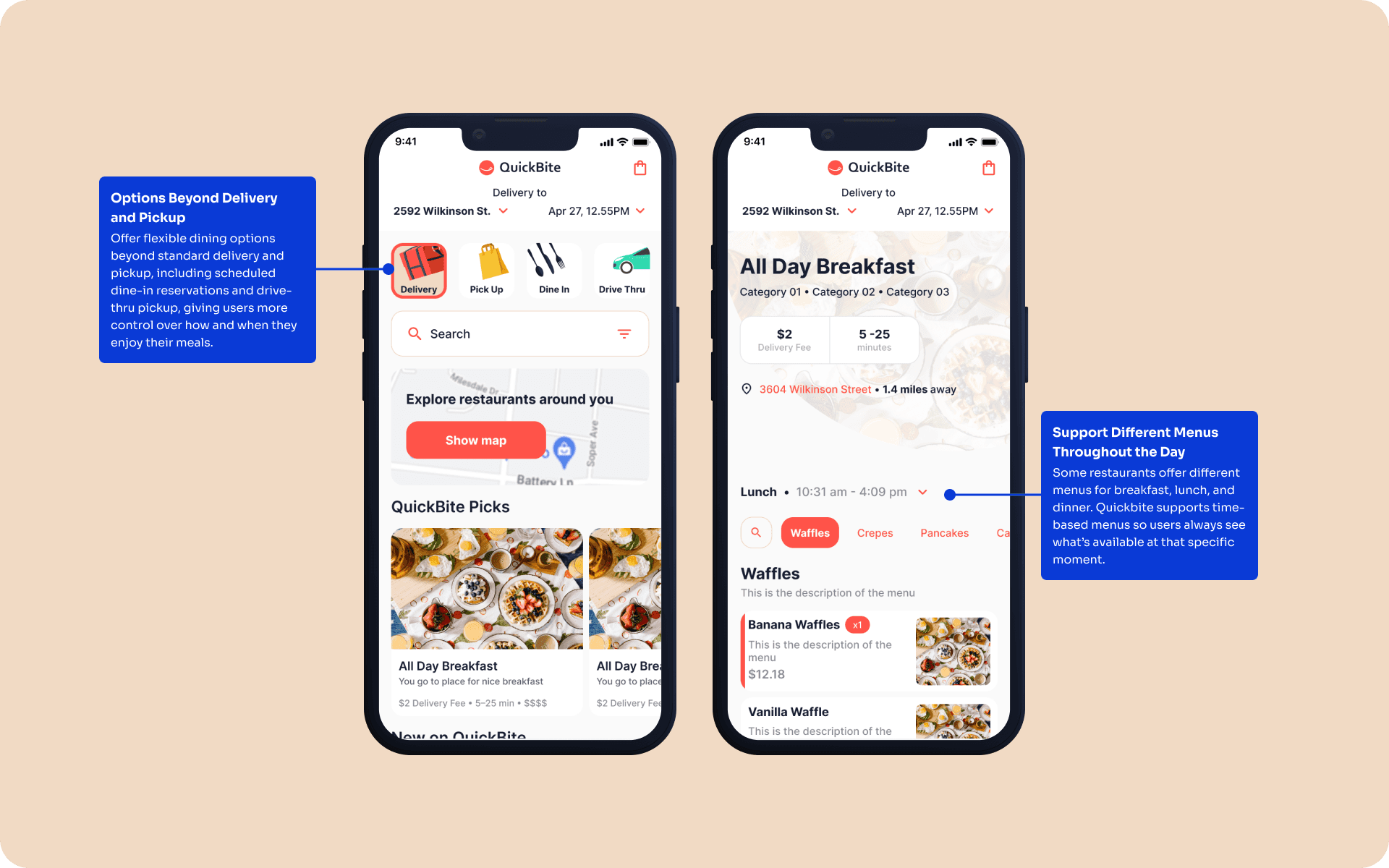
Users wanted options beyond delivery. Supporting scheduled dine-in and pickup experiences made the platform more adaptable to real-life routines.
Smooth Operations Are Essential.
The platform needed to connect customers, restaurants, and drivers seamlessly. Coordination and timing were just as important as great design.
Seeing the Whole Experience
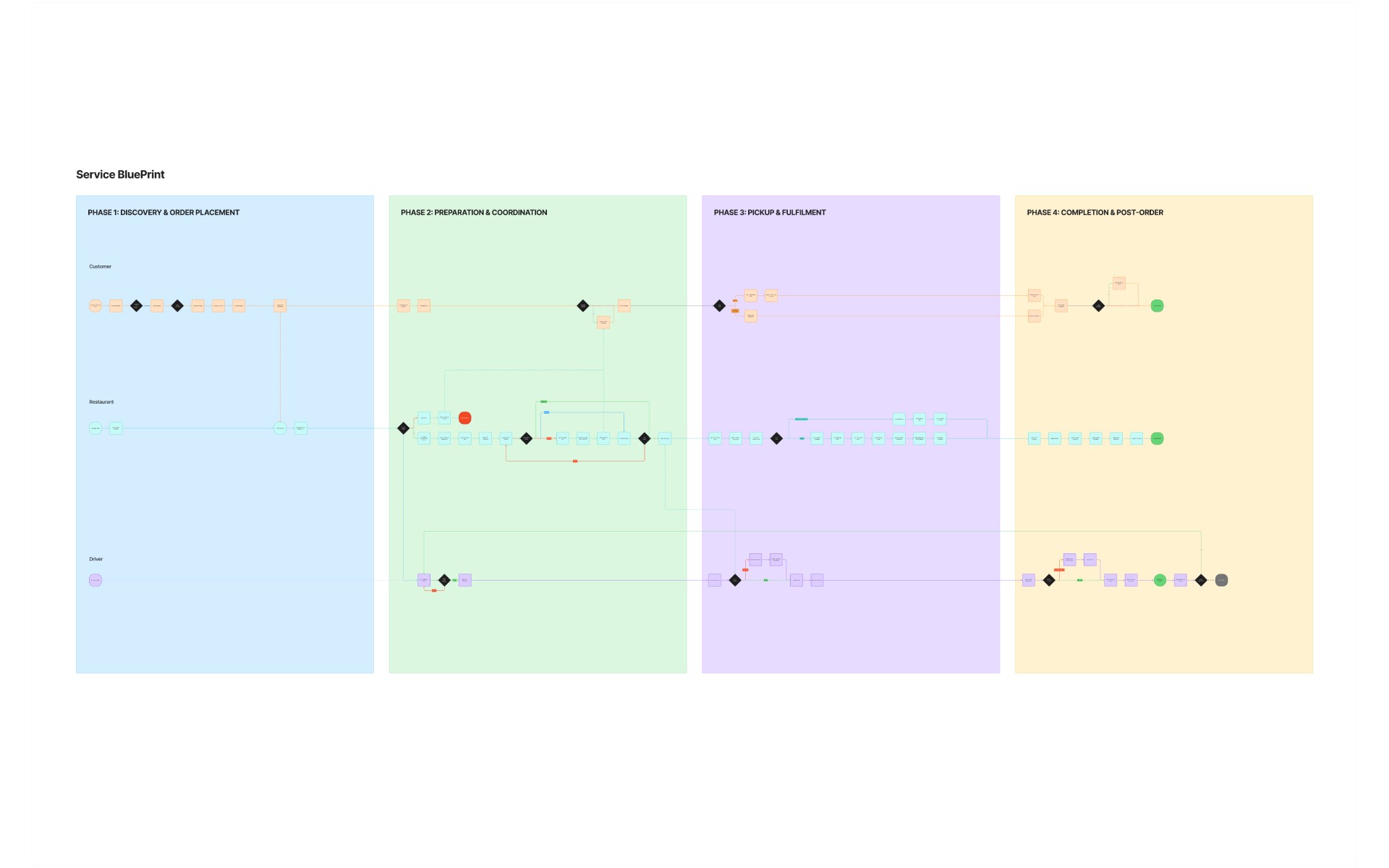
To translate these insights into a cohesive experience, I created a service blueprint to map how Customer, Restaurant, and Driver flows intersect at every stage of an order. This allowed me to identify dependencies, reduce operational friction, and ensure that expectations, timing, and communication stayed aligned across the entire ecosystem.
DESIGN PROCESS: IDEATION
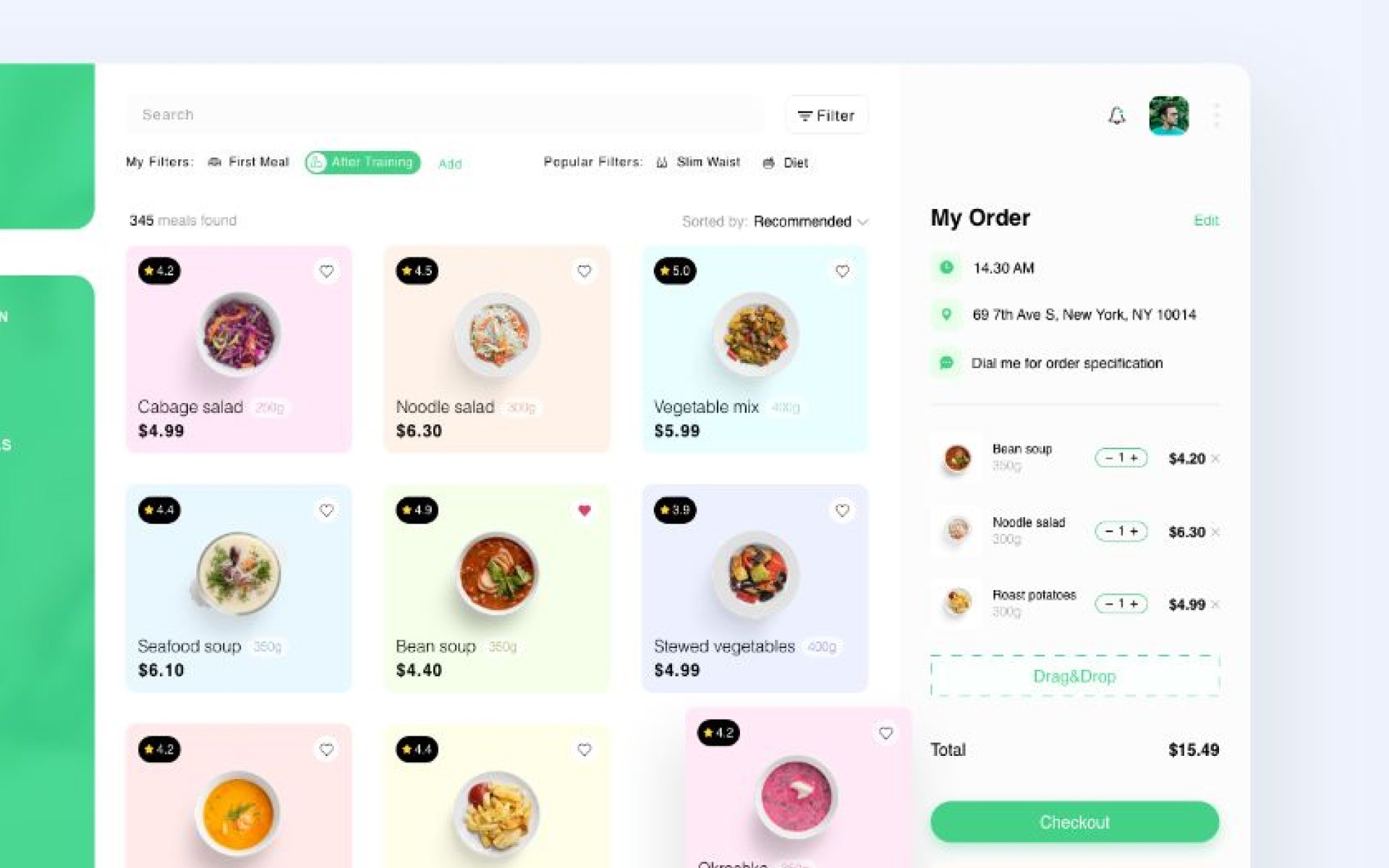
With these insights in mind, I mapped out the ecosystem of experiences across three main stakeholders — customers, drivers, and restaurants — ensuring each had a smooth and connected journey.
Customer Experience
Accessibility came first. I designed for both web and mobile, allowing anyone to place an order — even without downloading an app or creating an account. The guest order experience became a defining feature: fast, intuitive, and inclusive.
Driver Experience
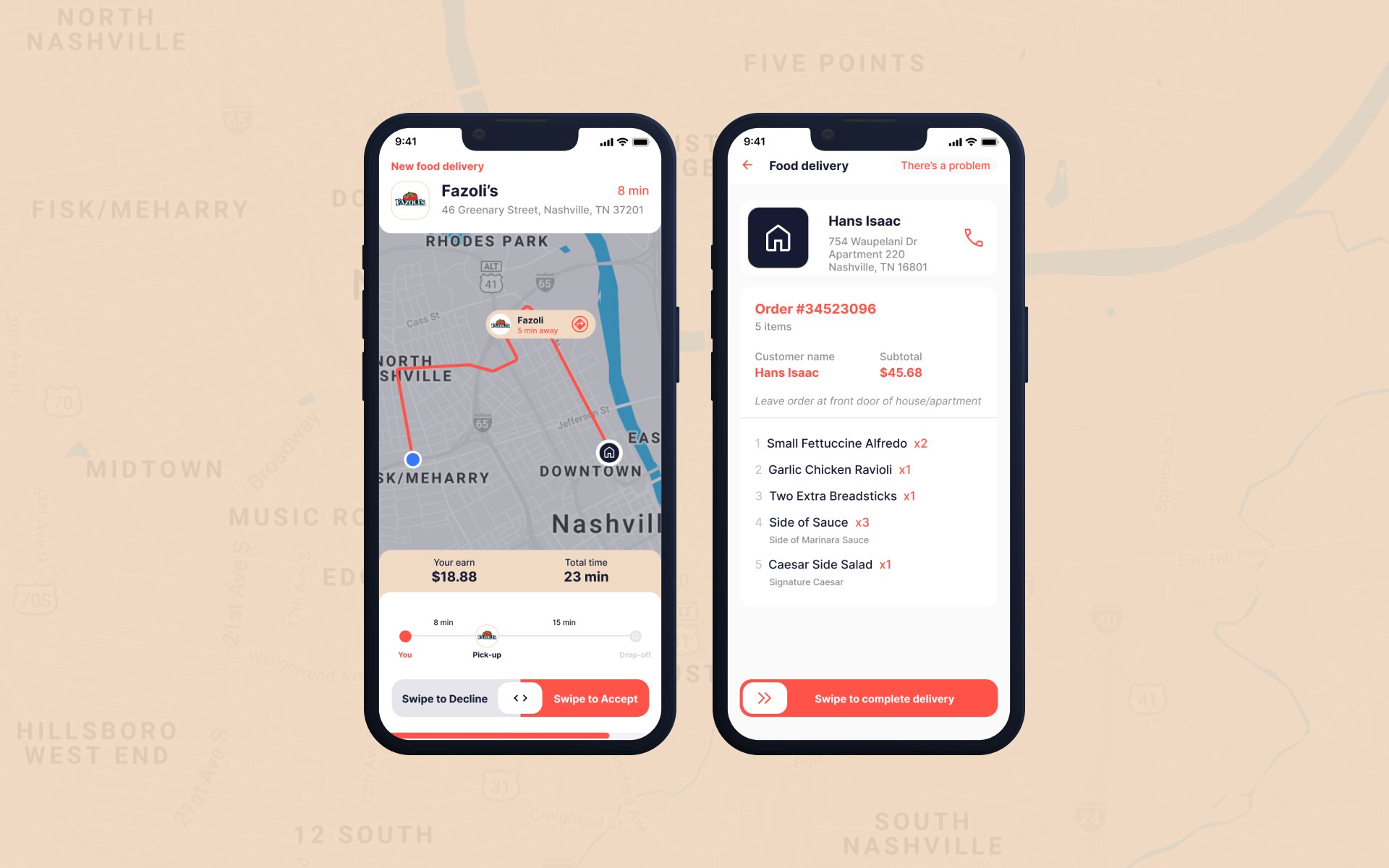
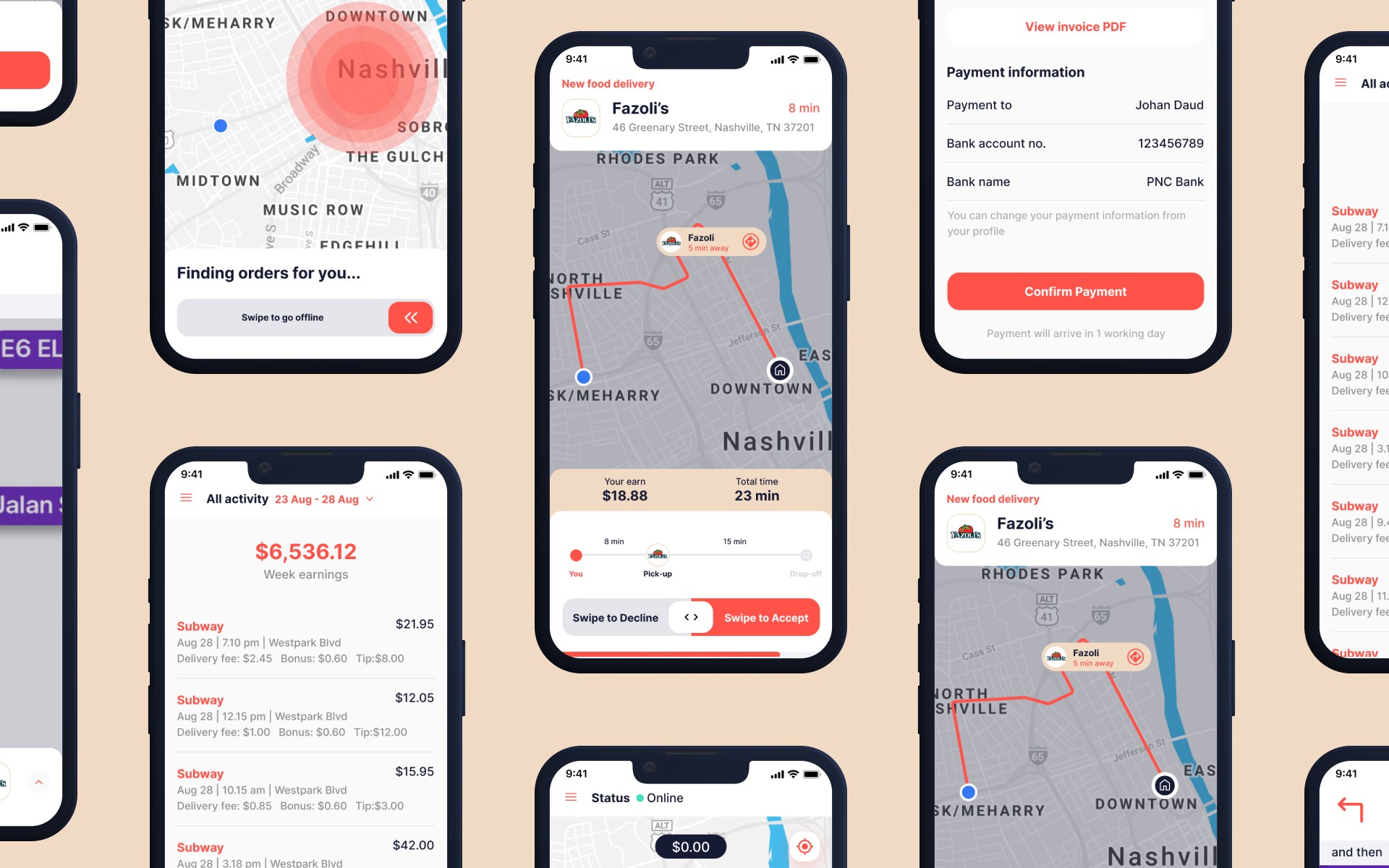
Drivers are the backbone of any delivery platform, so their app focused on clarity and control:
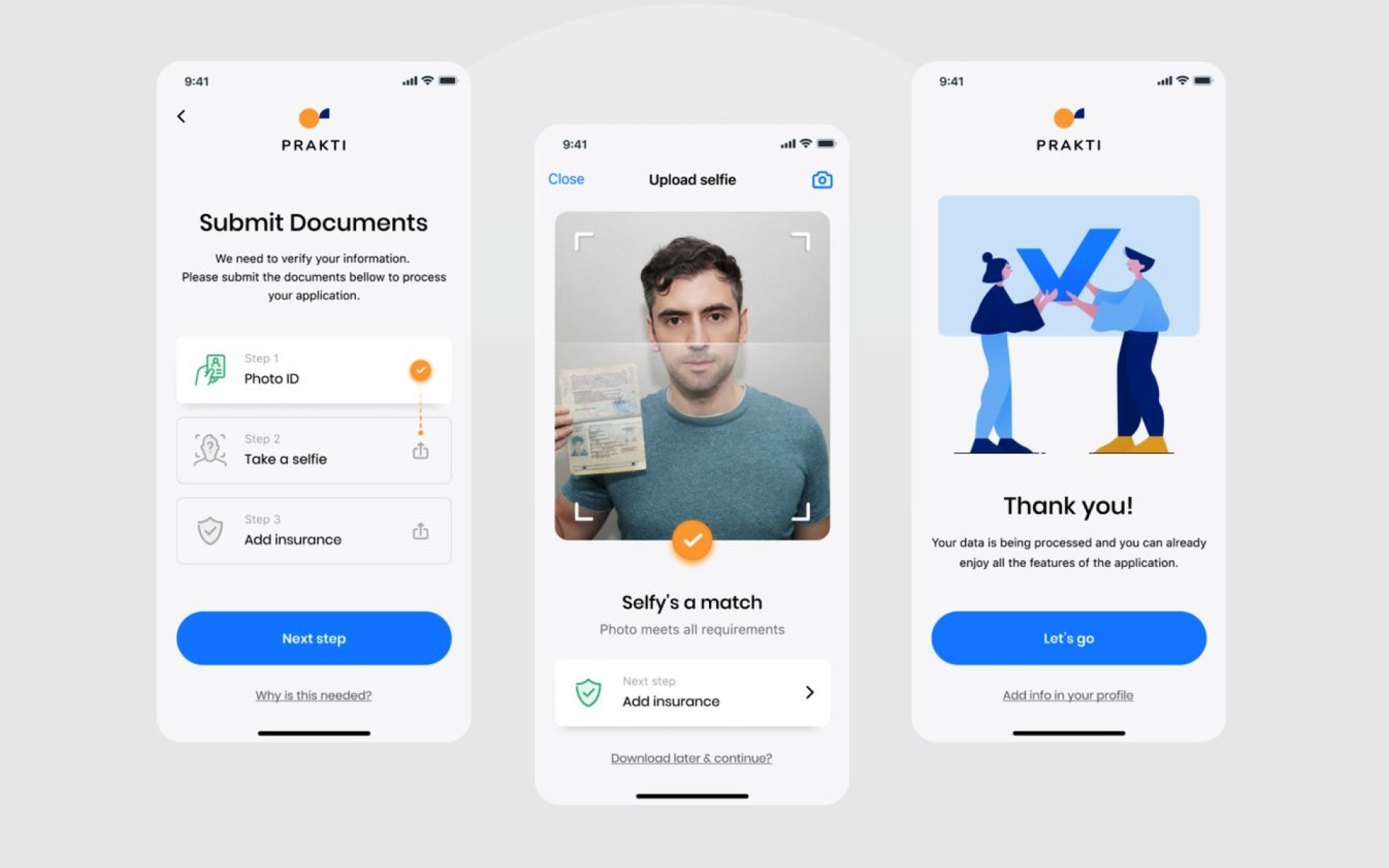
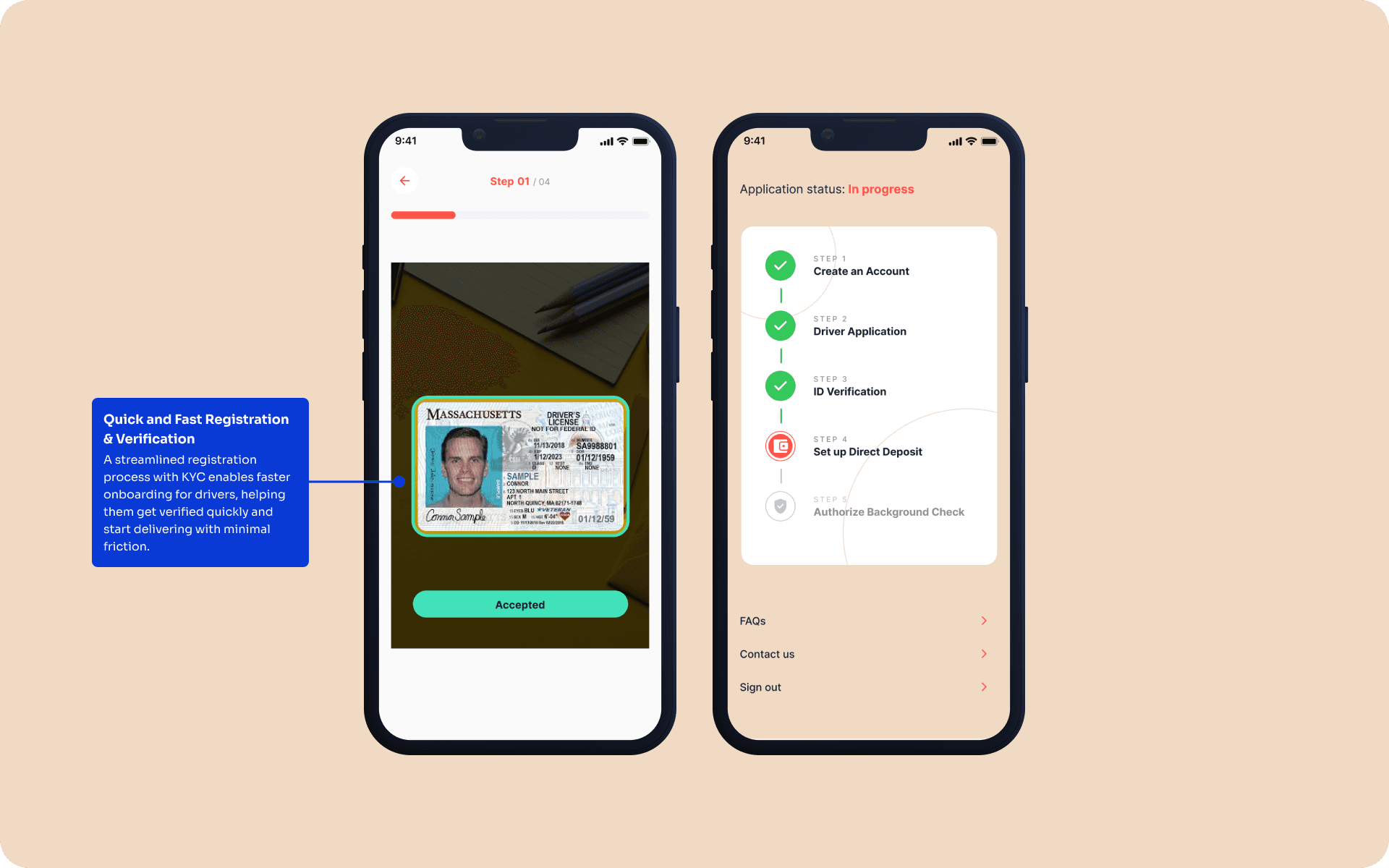
Simple registration and verification (KYC)
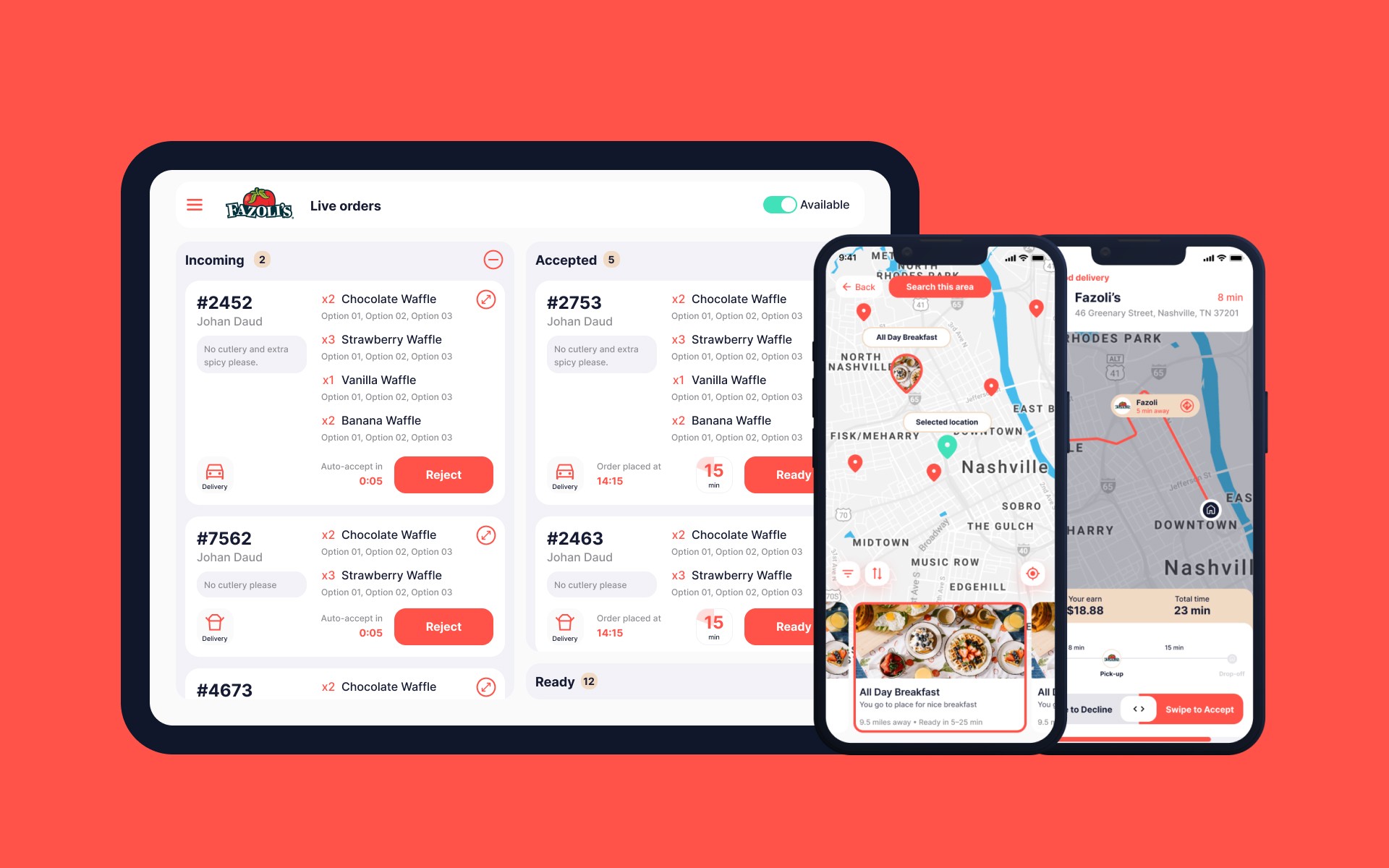
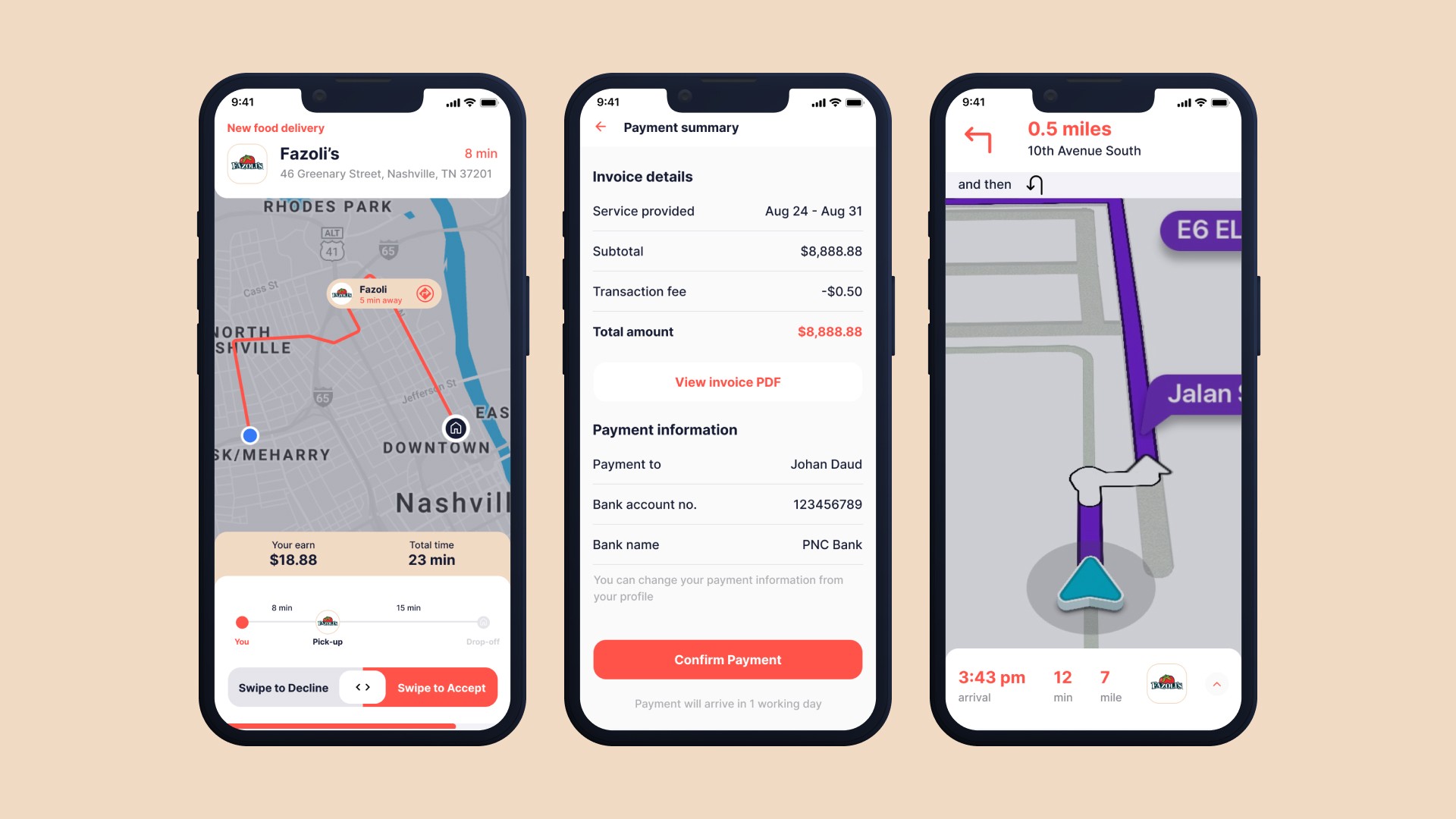
Ability to set availability, accept or decline orders, and navigate deliveries
Transparent overview of earnings and payouts
Restaurant Experience
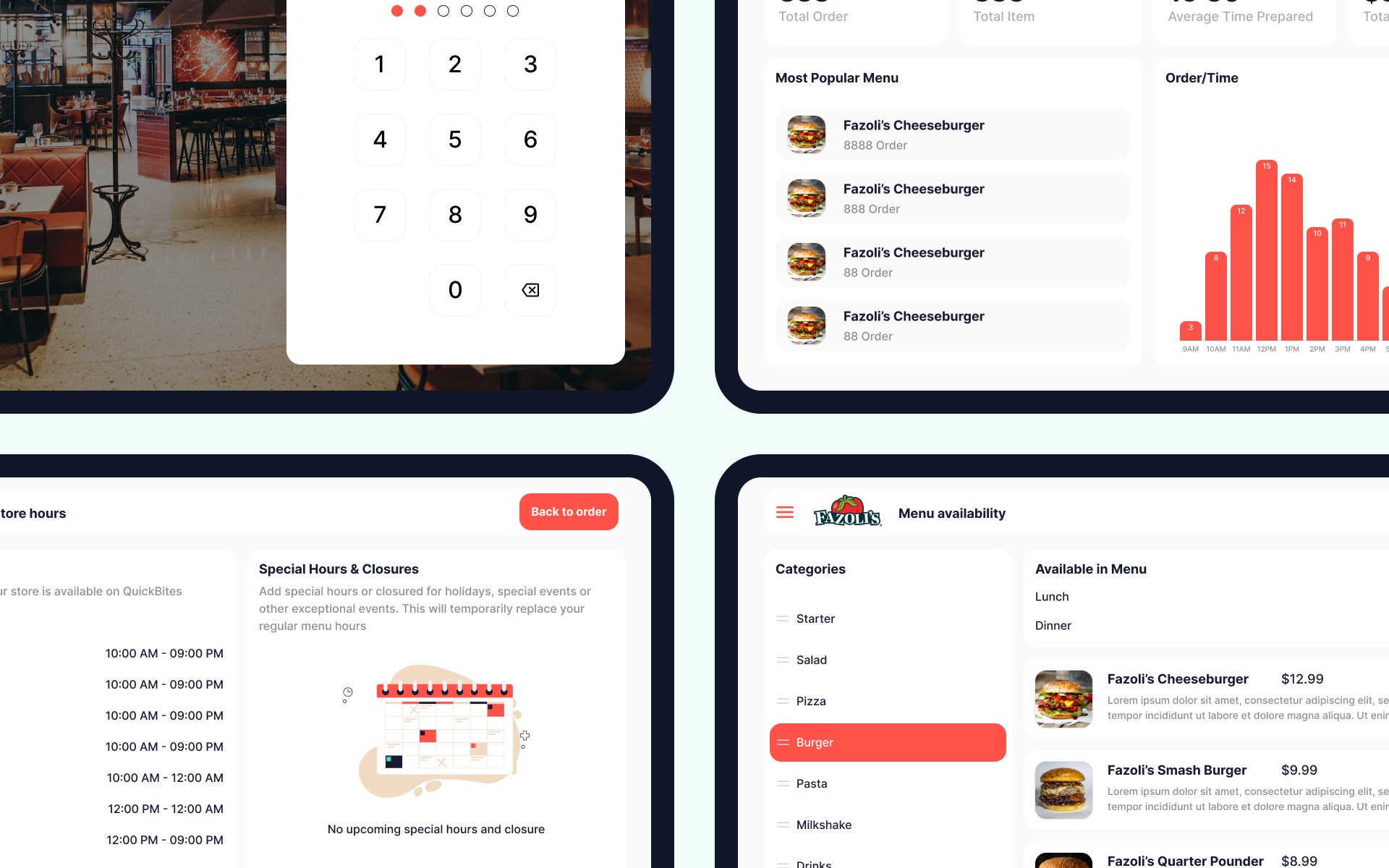
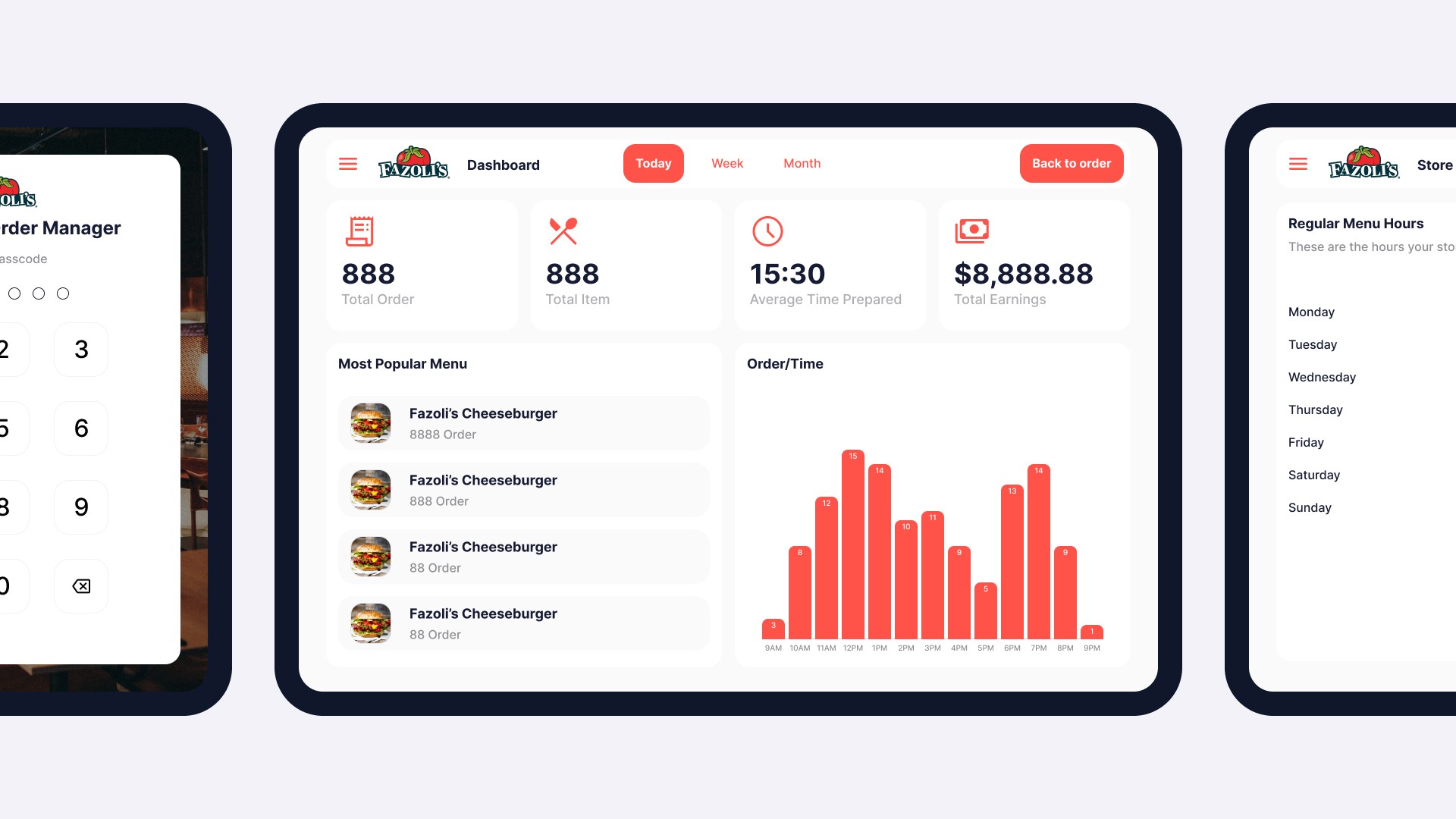
For restaurant owners, efficiency was crucial. The restaurant dashboard enabled them to:
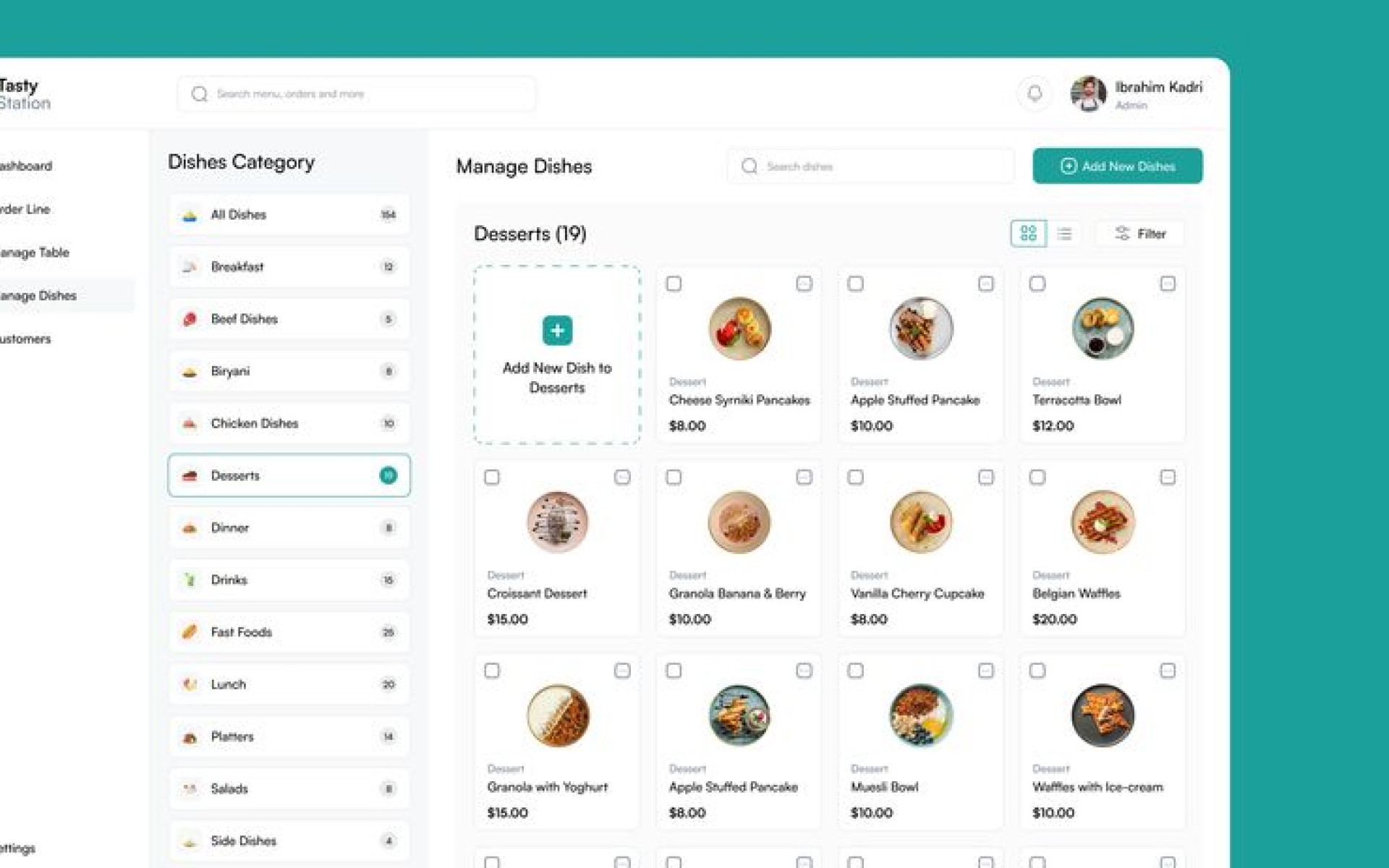
Create and manage menus
Track incoming and scheduled orders
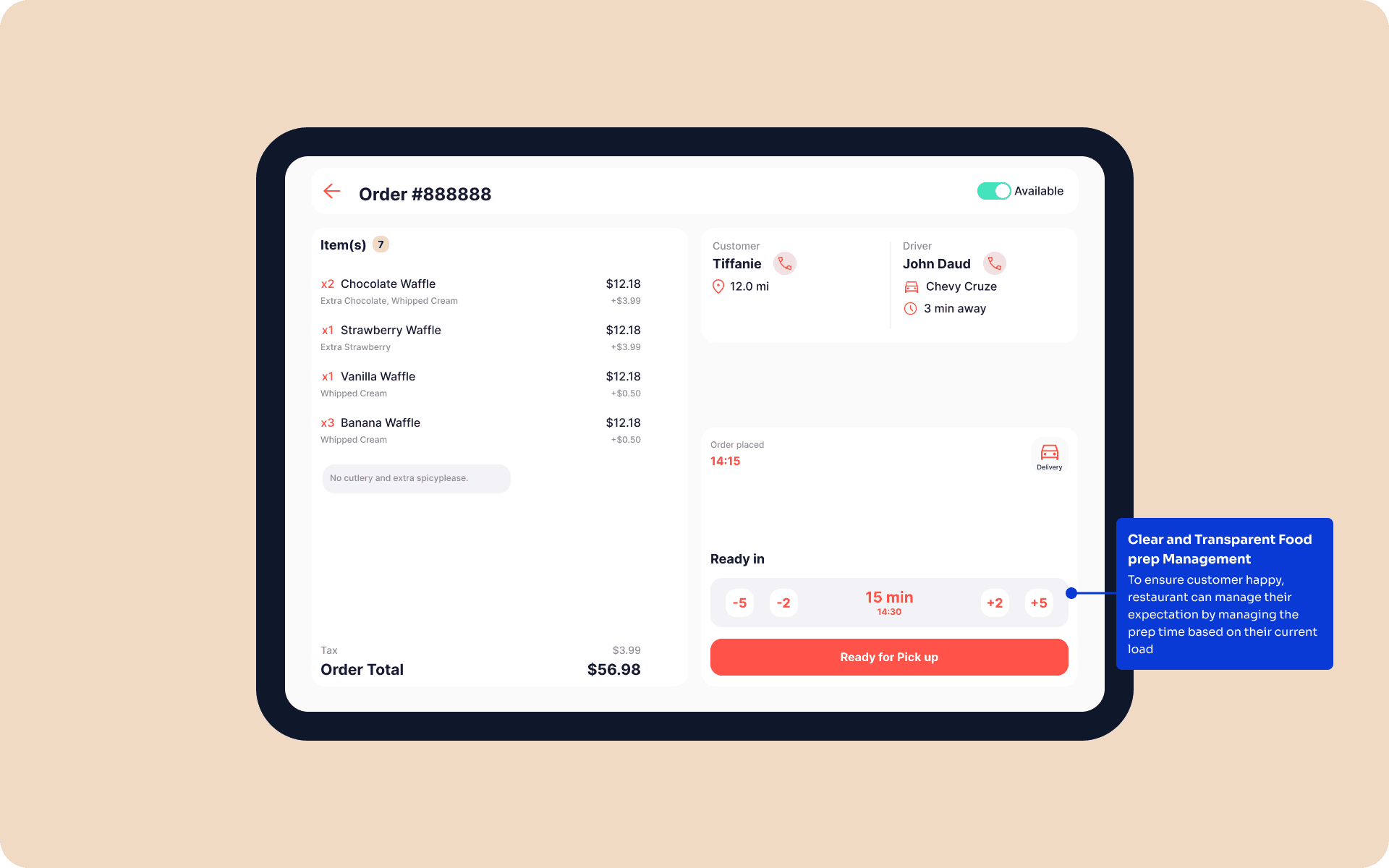
Adjust preparation times based on workload
Alert drivers when orders were ready sooner or later than expected
Contact customers directly when clarification was required
This system ensured all three experiences were synchronised — improving accuracy, reducing delays, and building trust across the platform.
DESIGN PROCESS: DESIGN
Once the flows were defined, I began crafting the wireframes and interactive prototypes for each platform. My focus was on clarity, warmth, and transparency — designing an experience that felt both functional and personable.
Key Highlights
“Suggest Me” Feature: Showcased local dishes based on user preferences and popular community trends.
“Dine-In Scheduler”: Combined reservation and pre-ordering, allowing customers to plan their visit ahead of time.
“Driver Progress Tracker”: A visual delivery timeline that offered transparency for both drivers and customers.
“Restaurant SLA Adjuster”: Allowed restaurants to update preparation times dynamically, keeping all parties informed.
Every design decision was documented and annotated, explaining not only what was created but why — ensuring that the engineering team understood the user rationale behind each feature.
FINAL DESIGN
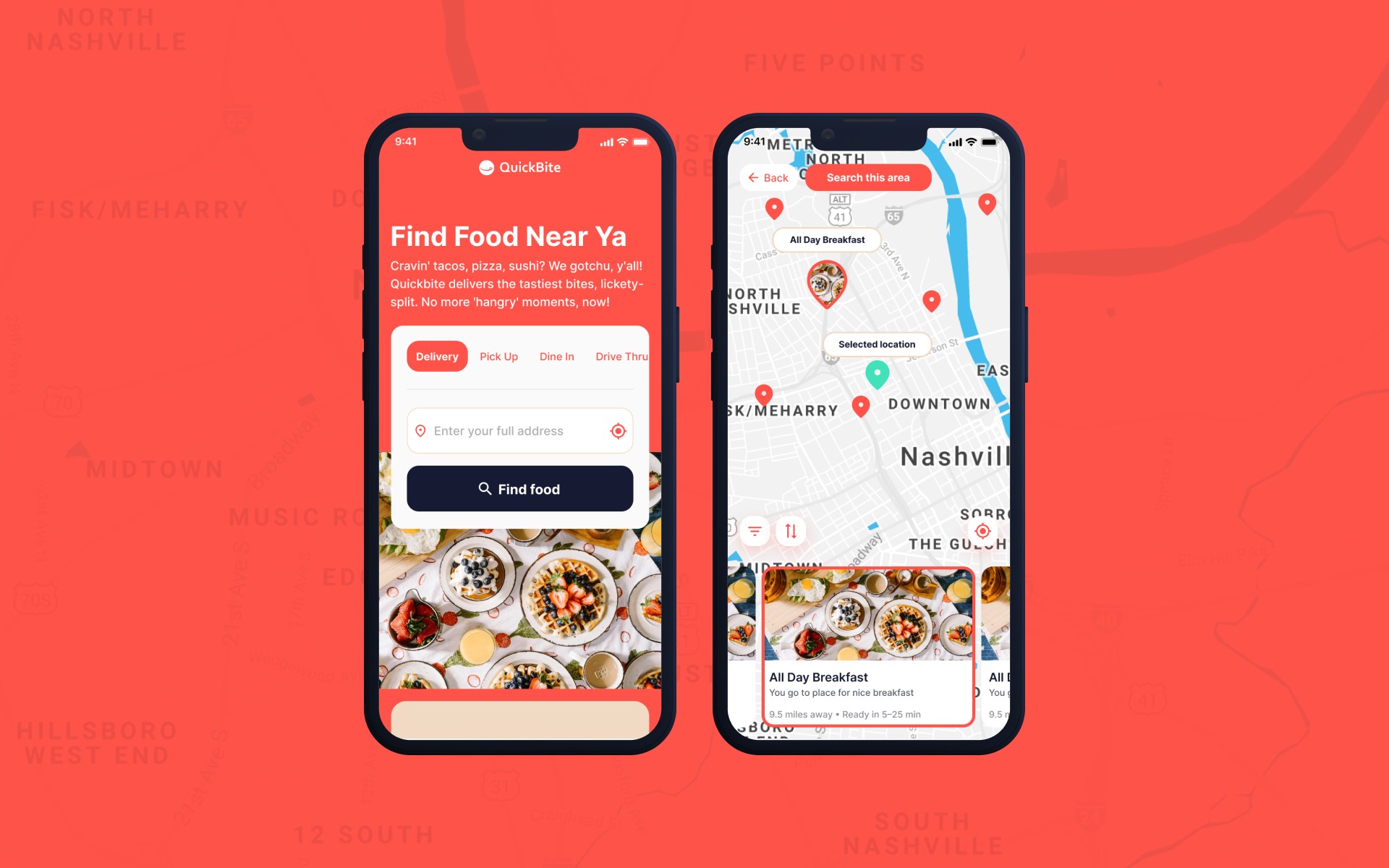
The final designs brought QuickBite to life as a unified platform that celebrated local flavour. From its colour palette inspired by Nashville’s warmth to its conversational microcopy that echoed Midwestern friendliness, every detail was crafted to make the experience feel human and familiar.
Smarter Decision-Making
Customer App
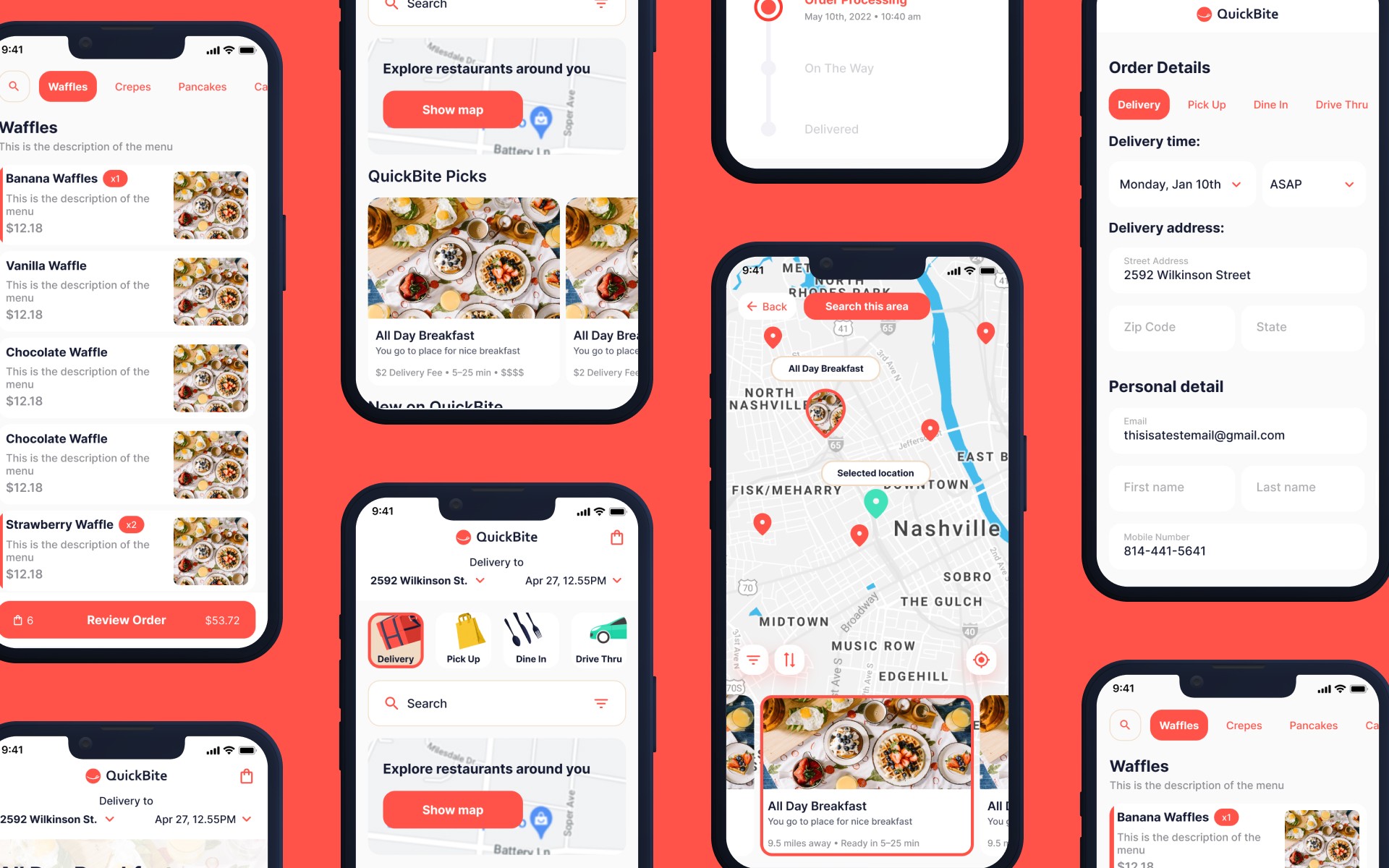
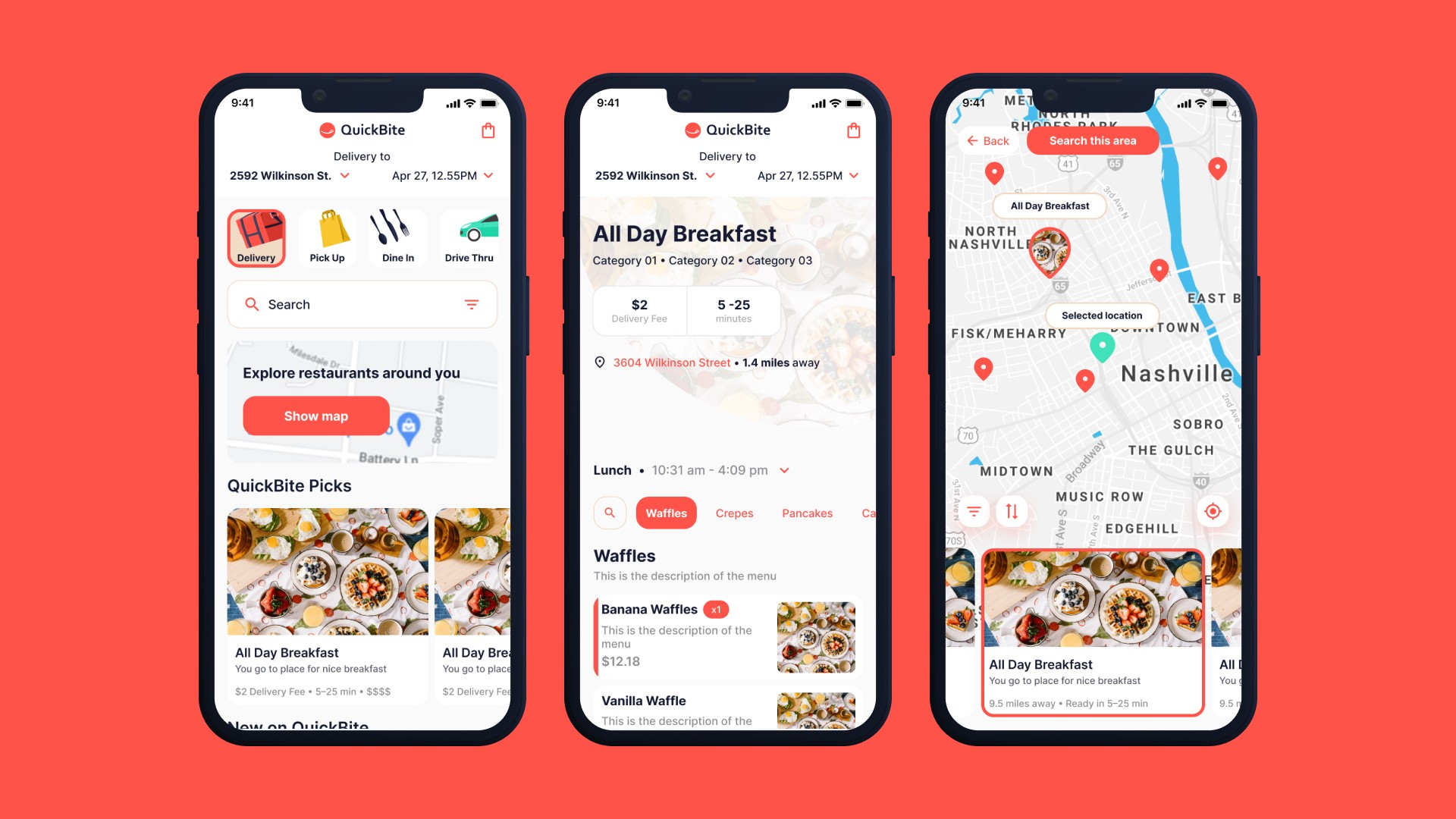
Designed to reduce choice overload, this feature helps users decide faster by offering guided suggestions and creating natural breaks between curated and full restaurant listings.
Local-First Experience
Customer App
Quickbite speaks like the locals. Using familiar Midwestern tone and expressions, the app feels more personal and community-driven while highlighting authentic local food.
Flexible Dining Options
Customer App
Gives users more control over how and when they eat by supporting multiple fulfillment options and time-based menus tailored to real restaurant operations.
Fast Driver Onboarding
Driver App
Removes friction from the driver sign-up experience with a quick, secure verification process, enabling drivers to get on the road faster.
Dynamic Prep Times
Restaurant App App
Restaurants can update preparation times based on current kitchen load, keeping customers and drivers aligned with accurate, real-time expectations.
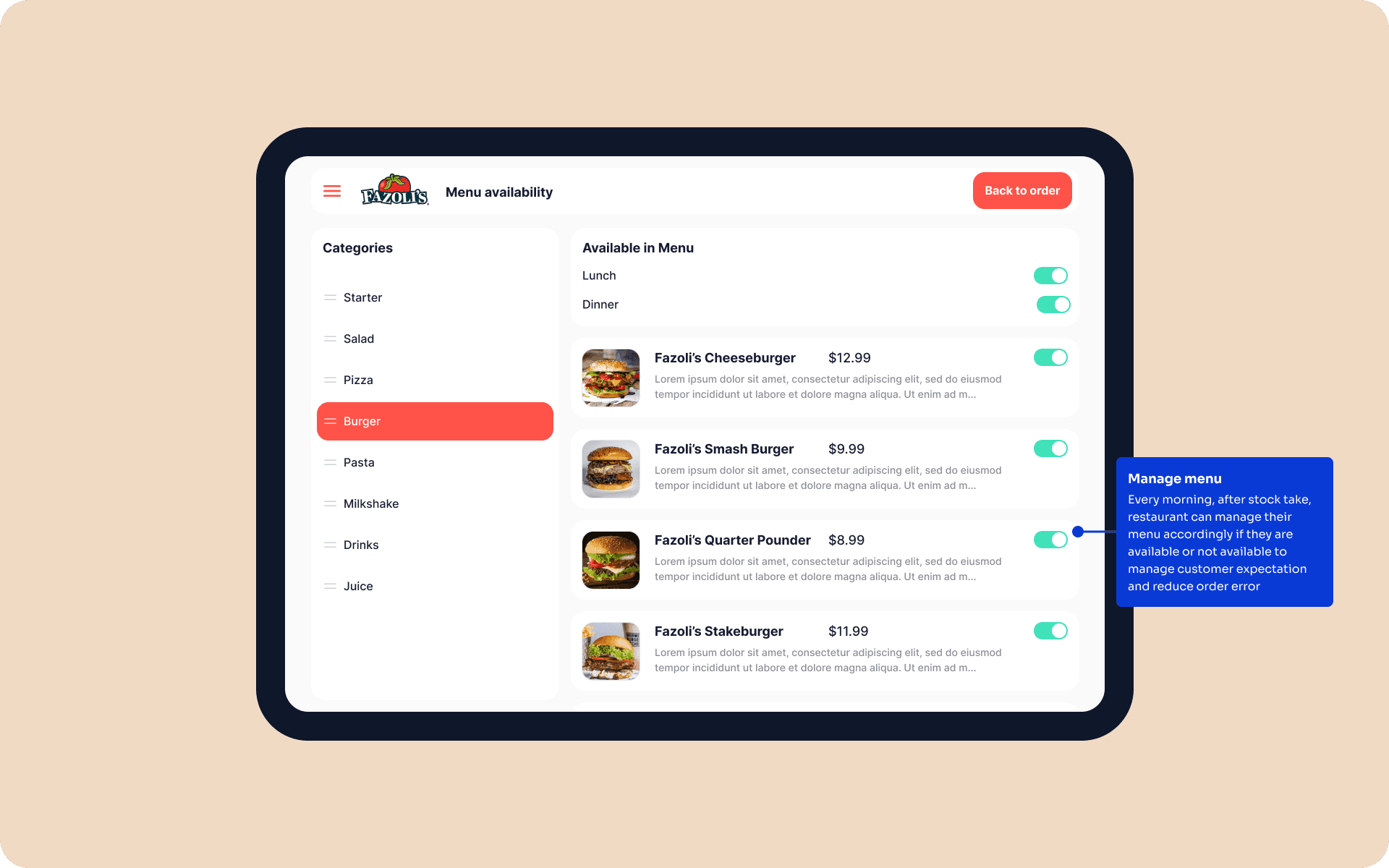
Menu Availability Control
Restaurant App App
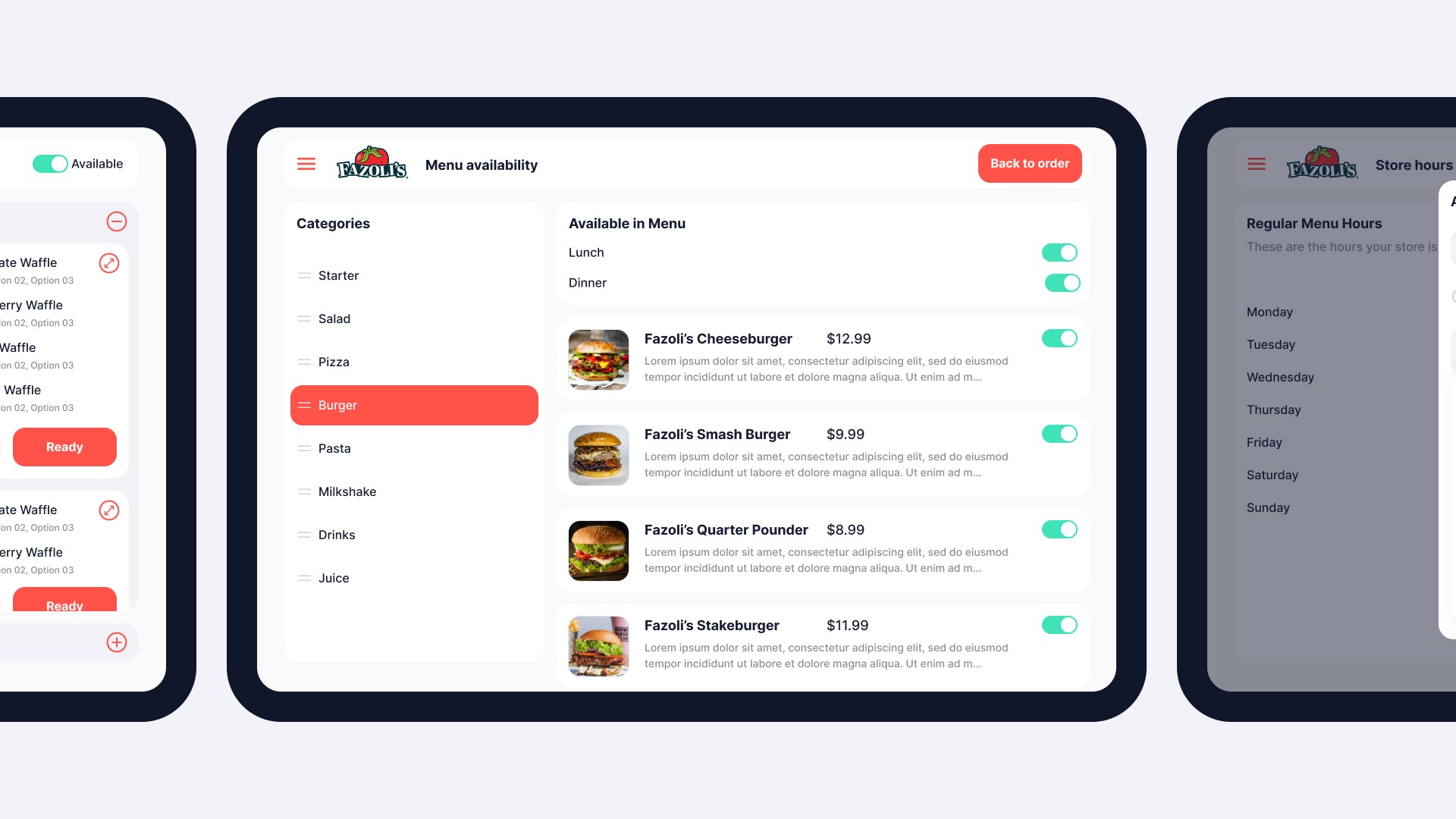
Restaurants can update menu availability after daily stock checks, ensuring customers only order what’s in stock and reducing order errors.
Other projects
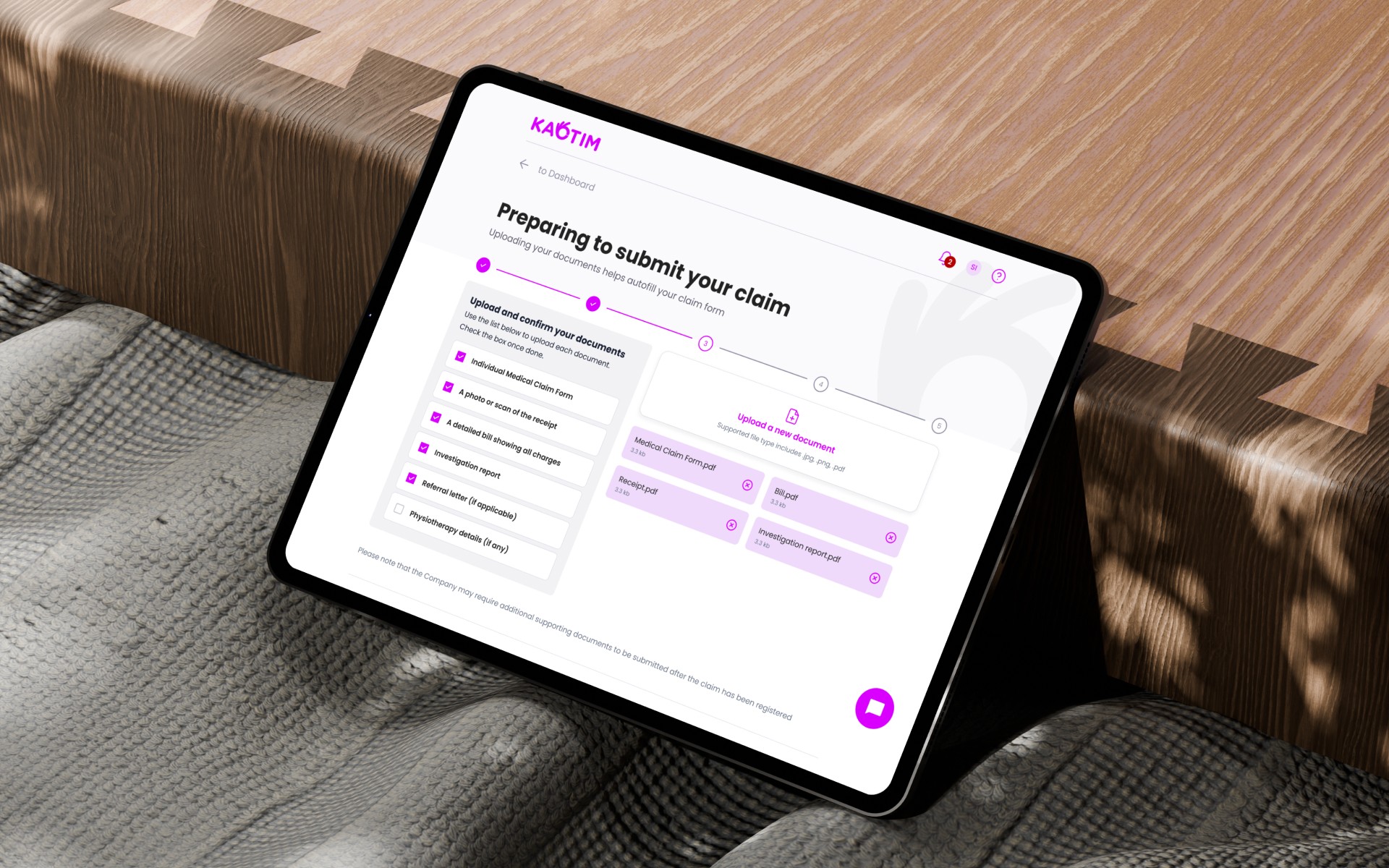
Kaotim Customer Portal — Digitalising Takaful
A new end-to-end customer portal for Takaful Malaysia’s digital arm, Kaotim.
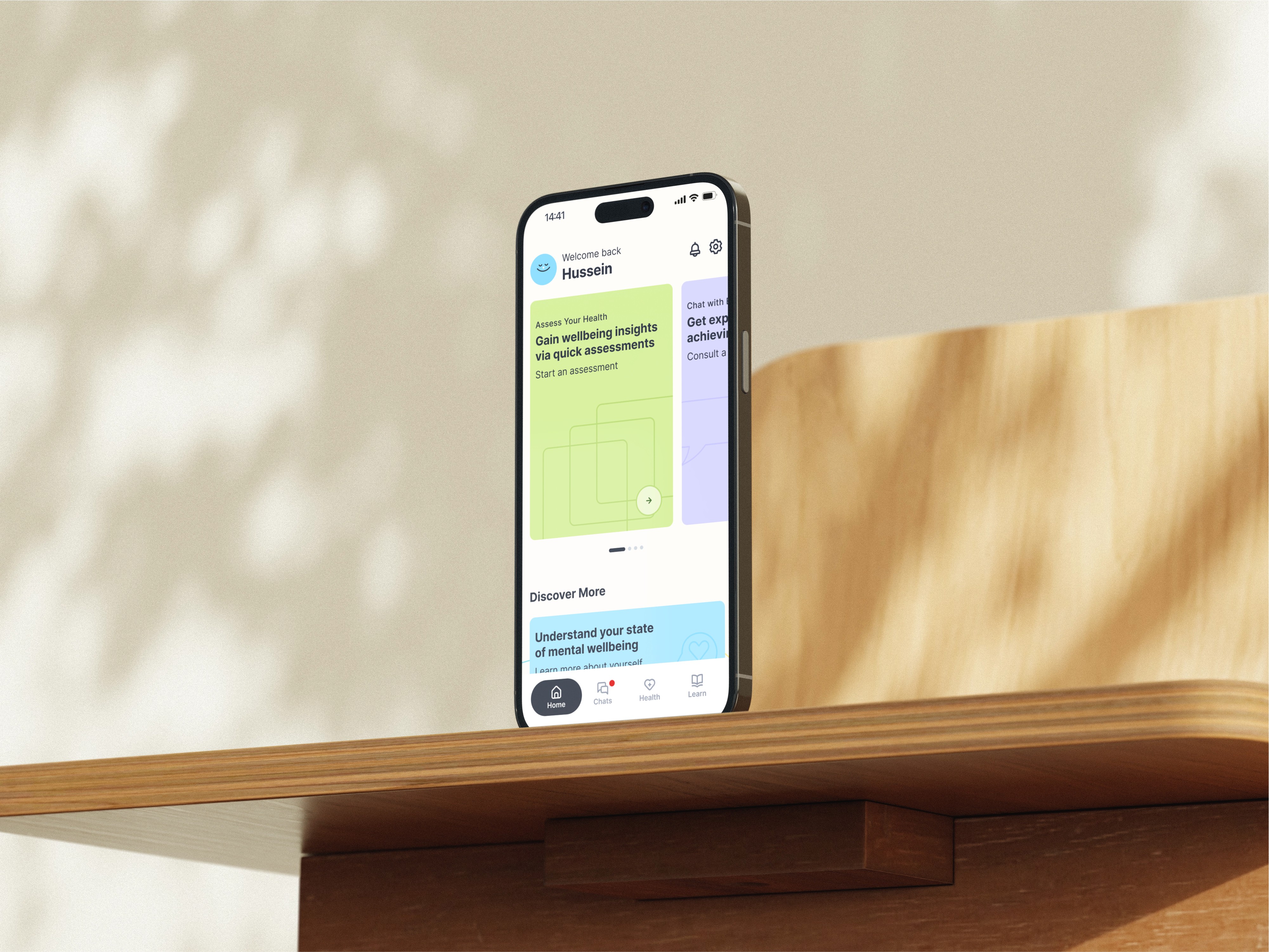
Naluri App Experience Redefined
Enhancing Naluri’s interface and flow to drive engagement and user satisfaction
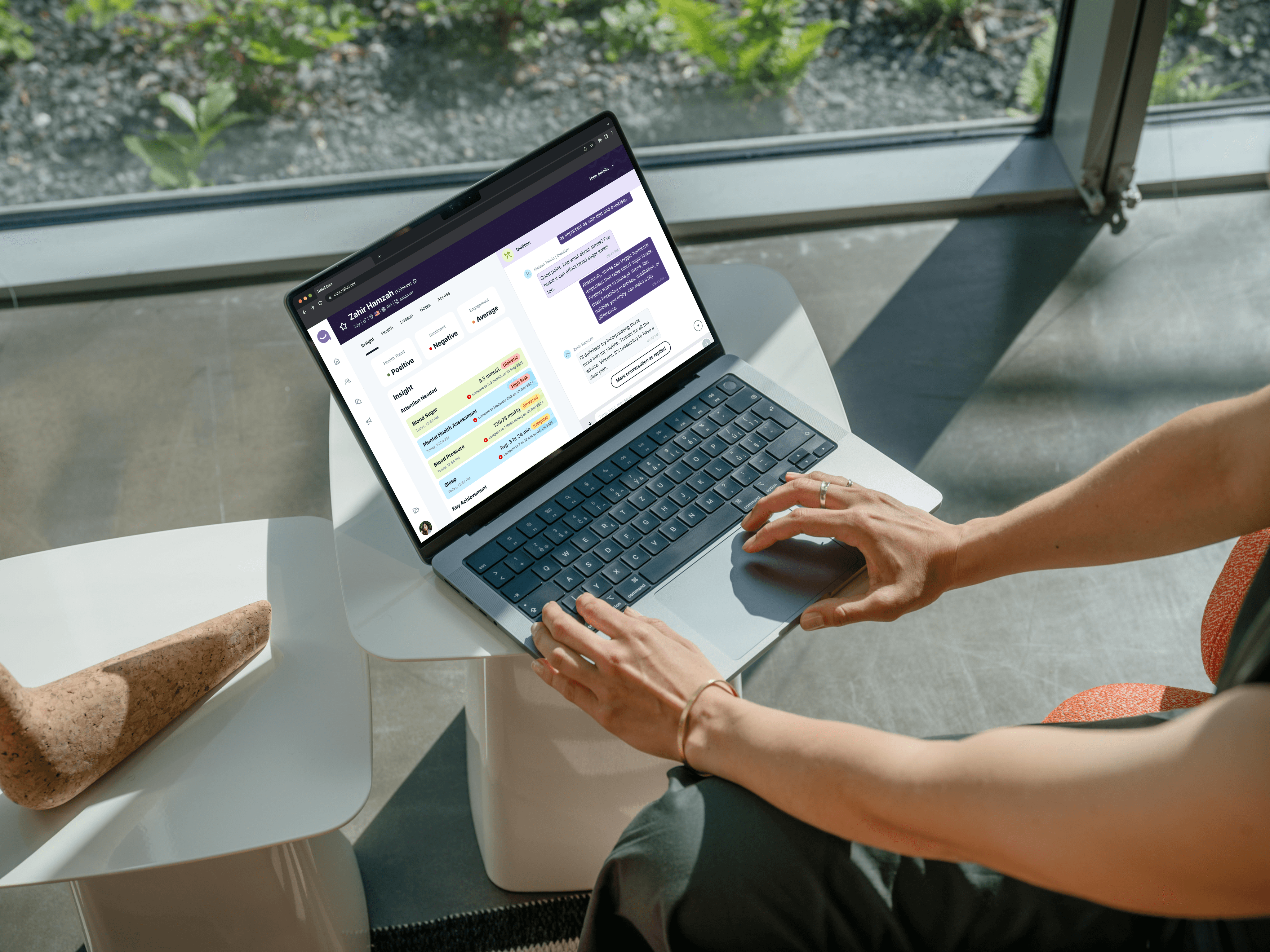
Naluri Coach Platform Reimagined
Transforming the Coach Platform to improve collaboration and coaching outcomes